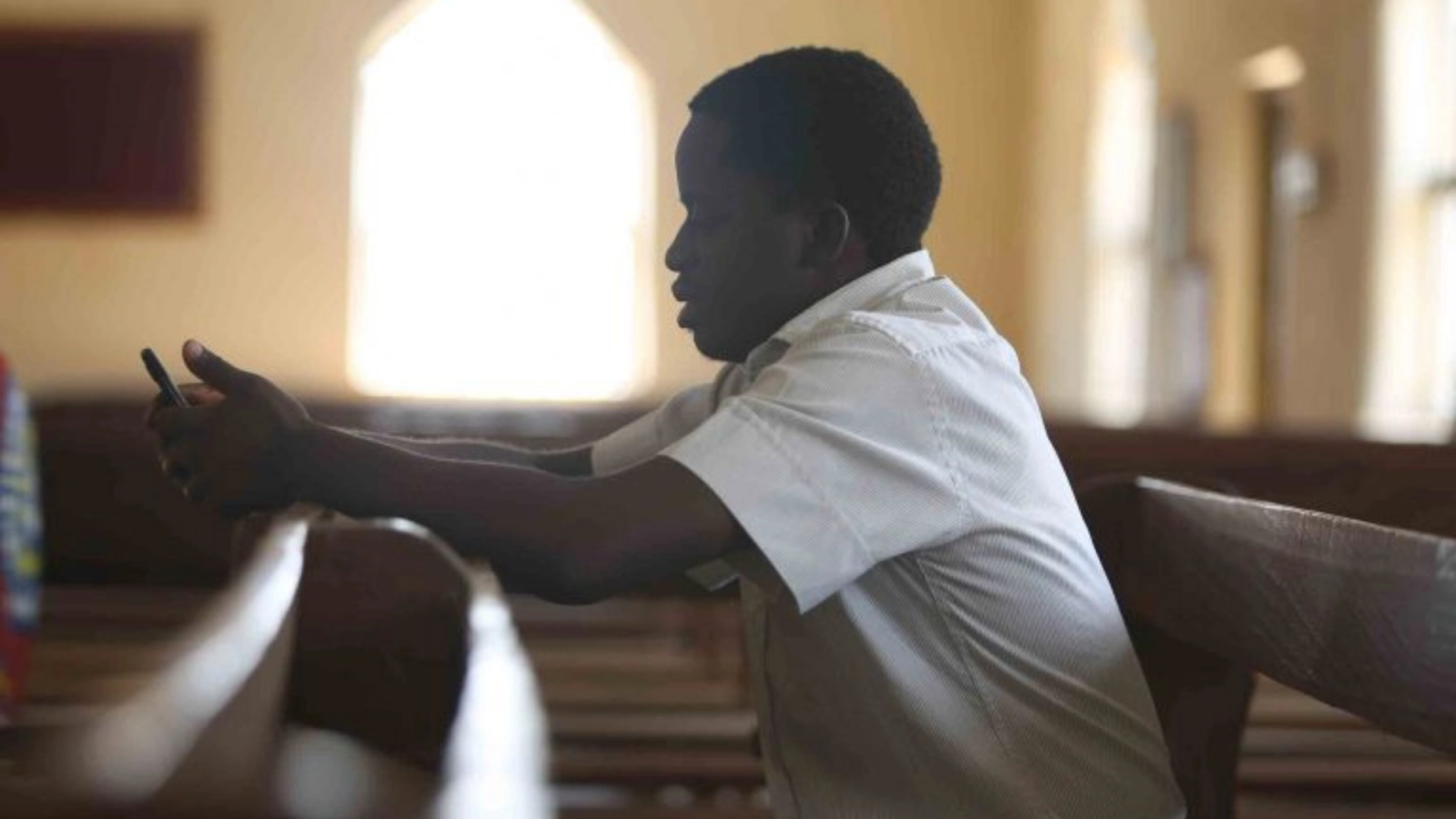
Northern Nigeria continues to be regarded as one of the most volatile regions for Christian communities, where security concerns remain a constant part of daily life. In many areas, particularly in and around cities like Jos in Plateau State, the atmosphere is often marked by uncertainty. For local believers, distinguishing between routine threats and imminent danger has become an ongoing challenge.
Recent reports from contacts within the region indicate that warnings of potential attacks against Christians and churches have surfaced repeatedly over the past few weeks. Such threats are not uncommon in northern Nigeria, where tensions can escalate quickly. However, the frequency and timing of these warnings have raised concerns, leaving communities questioning whether they signal another wave of violence or are part of a broader pattern of intimidation.
This uncertainty places an additional burden on local congregations. Church leaders and families are often forced to make difficult decisions about whether to continue gatherings, increase security measures, or limit public visibility. In a region where faith plays a central role in daily life, these decisions are not only practical but deeply personal.
Armed groups, including Boko Haram and factions of Fulani militants, have historically been associated with attacks in Nigeria’s Muslim-majority north. While responsibility for specific incidents is not always immediately confirmed, the broader pattern of violence targeting Christian communities has been widely documented by international observers and human rights organizations. These groups have contributed to an environment where fear and vigilance coexist.
Religious holidays, in particular, tend to heighten these concerns. Events such as Christmas and Easter bring large numbers of people together for worship, making churches more visible and, in some cases, more vulnerable. Public gatherings, which are central to these celebrations, can inadvertently increase risk due to their predictability and scale. As Easter approaches, many churches are preparing not only spiritually but also with heightened awareness of their surroundings.
Faith-based organizations monitoring the situation have emphasized the need for caution during these periods. They note that while communal worship is essential, it also requires careful planning in regions where security threats persist. For many believers, attending a service is not just an act of devotion but also a demonstration of resilience.
Beyond the immediate security concerns, the situation highlights broader challenges related to religious freedom and protection of minority communities. Christians in northern Nigeria often find themselves navigating a complex landscape where social, political, and security factors intersect. The ongoing risk of violence has, over time, influenced how communities organize themselves, interact with authorities, and engage in public life.
Despite these challenges, many continue to practice their faith openly. This persistence reflects a strong sense of identity and belief, even in the face of adversity. For some, the act of gathering for worship carries added meaning, symbolizing not only spiritual commitment but also solidarity within the community.
As global attention turns toward Easter, church leaders and advocacy groups are encouraging people around the world to remain aware of the situation in Nigeria. They stress the importance of remembering those who celebrate under difficult circumstances, where the threat of violence is a real and present concern.
For these communities, the message of Easter — centered on hope, renewal, and resilience — takes on a deeper significance. It is observed not only as a religious tradition but also as a reflection of endurance in challenging conditions.
The situation in northern Nigeria ultimately underscores the need for continued attention to issues of security, religious freedom, and the protection of vulnerable populations. While efforts to address these challenges are ongoing, the lived reality for many Christians in the region remains shaped by uncertainty, caution, and a determination to carry forward their faith despite the risks involved.
News | Nigeria
Rising Threats in Northern Nigeria Put Christians at Risk Ahead of Easter
Christians in northern Nigeria face growing security threats as Easter approaches, with ongoing violence, rising tensions, and fears over attacks on churches and religious gatherings.
Comments
Sign in to comment and follow the conversation.
Sign in to commentMore From News
Christian Persecution Explained: Where Faith Becomes Dangerous
Punjab Minority Rights Bill 2026 Introduced Amid Debate Over Interfaith Marriage in Pakistan

Faith, Law, and Borders: Inside the Quiet Divide Among America’s Protestant Pastors

Pakistan Court Ruling on Muslim-Christian Marriage Sparks Debate Over Minority Rights
Monday - Thursday Reflection: The Silence, The Table, and The Cross
Most Popular
Christian Persecution Explained: Where Faith Becomes Dangerous
Punjab Minority Rights Bill 2026 Introduced Amid Debate Over Interfaith Marriage in Pakistan
Rising Threats in Northern Nigeria Put Christians at Risk Ahead of Easter
Faith, Law, and Borders: Inside the Quiet Divide Among America’s Protestant Pastors

Pakistan Court Ruling on Muslim-Christian Marriage Sparks Debate Over Minority Rights
Monday - Thursday Reflection: The Silence, The Table, and The Cross
Trending
Christian Persecution Explained: Where Faith Becomes Dangerous
Punjab Minority Rights Bill 2026 Introduced Amid Debate Over Interfaith Marriage in Pakistan
Rising Threats in Northern Nigeria Put Christians at Risk Ahead of Easter
Faith, Law, and Borders: Inside the Quiet Divide Among America’s Protestant Pastors
Pakistan Court Ruling on Muslim-Christian Marriage Sparks Debate Over Minority Rights
Loading comments...