Monday: The Weight of the Week Begins
Holy Week does not begin with noise, it begins with tension. By Monday, the celebrations of Palm Sunday have faded, and a quieter, heavier atmosphere takes over. This is the moment where faith shifts from public joy to personal reflection. Jesus enters Jerusalem not as a political conqueror, but as a Savior moving knowingly toward sacrifice. For Christians, Monday is a reminder that true faith is not sustained by moments of celebration alone, it is tested in silence, in waiting, and in understanding what lies ahead. The week has begun, but its purpose is still unfolding.
Tuesday: Truth in the Open
By Tuesday, the tone becomes sharper. This is the day often associated with Jesus teaching boldly, confronting hypocrisy, and revealing deeper spiritual truths. There is a sense of urgency in His words, as if time itself is running short. For believers today, Tuesday carries a message: faith cannot remain surface-level. It demands honesty. It demands alignment between what is spoken and what is lived. In a world full of appearances, Tuesday challenges Christians to confront their own inconsistencies and return to authenticity.
Wednesday: The Quiet Betrayal
Wednesday is often called a silent day, but it carries one of the heaviest meanings. It is traditionally associated with betrayal: the moment when Judas begins the process that will lead to Jesus’ arrest. There are no crowds here, no miracles, no sermons, just a quiet decision that changes everything. This day forces a difficult reflection: betrayal is not always loud. Sometimes it happens in silence, in small compromises, in moments where loyalty is traded for convenience. For Christians, Wednesday becomes deeply personal. It asks not who Judas was, but where such tendencies exist within ourselves.
Thursday: The Table That Redefined Everything
And then comes Holy Thursday, the turning point.
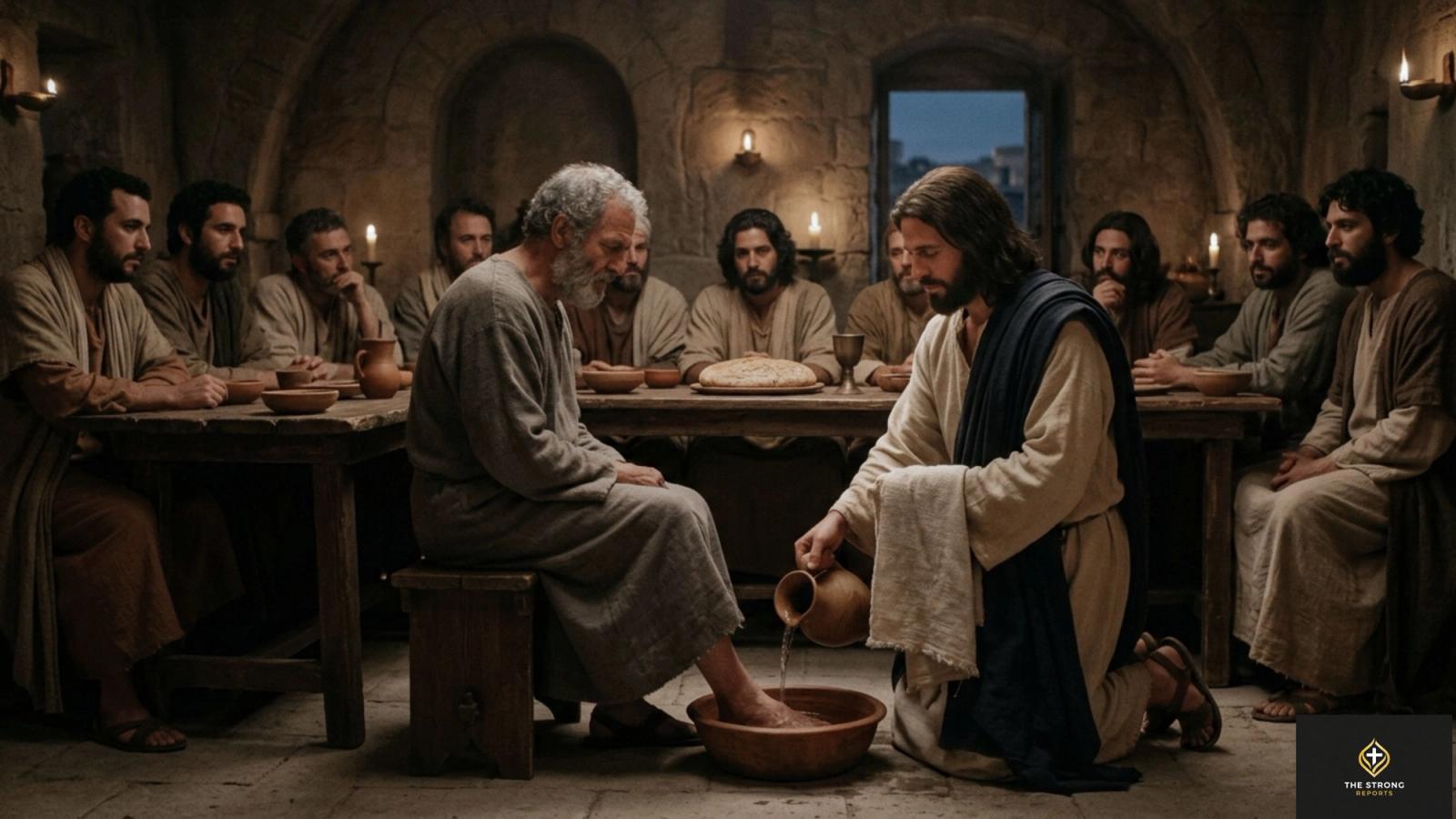
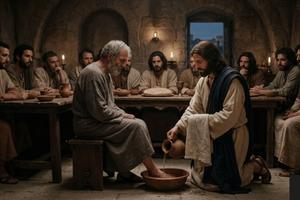
This is the night of the Last Supper, where Jesus gathers with His disciples for one final meal. But this is no ordinary gathering. In a single evening, He redefines leadership, love, and sacrifice. He washes the feet of His disciples, an act so radical that it overturns every human idea of power. In that moment, greatness is no longer about authority, but about humility.
Then comes the institution of the Eucharist, the heart of Catholic faith. Bread and wine are no longer just symbols; they become a living covenant. “This is my body… this is my blood.” These words are not just spoken, they are given. For Catholics, this is where the Church is born at the table, not in a building. It is where faith becomes something tangible, something received, something lived.
But Holy Thursday is not only about the table, it is also about the garden. After the meal, Jesus goes to Gethsemane. Here, we see not power, but vulnerability. He prays, He struggles, He feels the weight of what is coming. This moment is crucial because it shows that even in divine purpose, there is human emotion. Obedience does not come without cost.
By the end of Thursday, everything has shifted. The betrayal is in motion, the arrest is near, and the cross is no longer distant, it is inevitable.
The Meaning Beyond the Days
From Monday to Thursday, Holy Week is not just a sequence of events, it is a journey inward. It moves from reflection to truth, from silence to surrender. It strips away comfort and confronts the believer with a deeper question: what does it actually mean to follow Christ?
Because in the end, Holy Thursday teaches something profound, faith is not proven in words, but in actions. In service. In sacrifice. And in the willingness to stay, even when the path leads to the cross.


Loading comments...