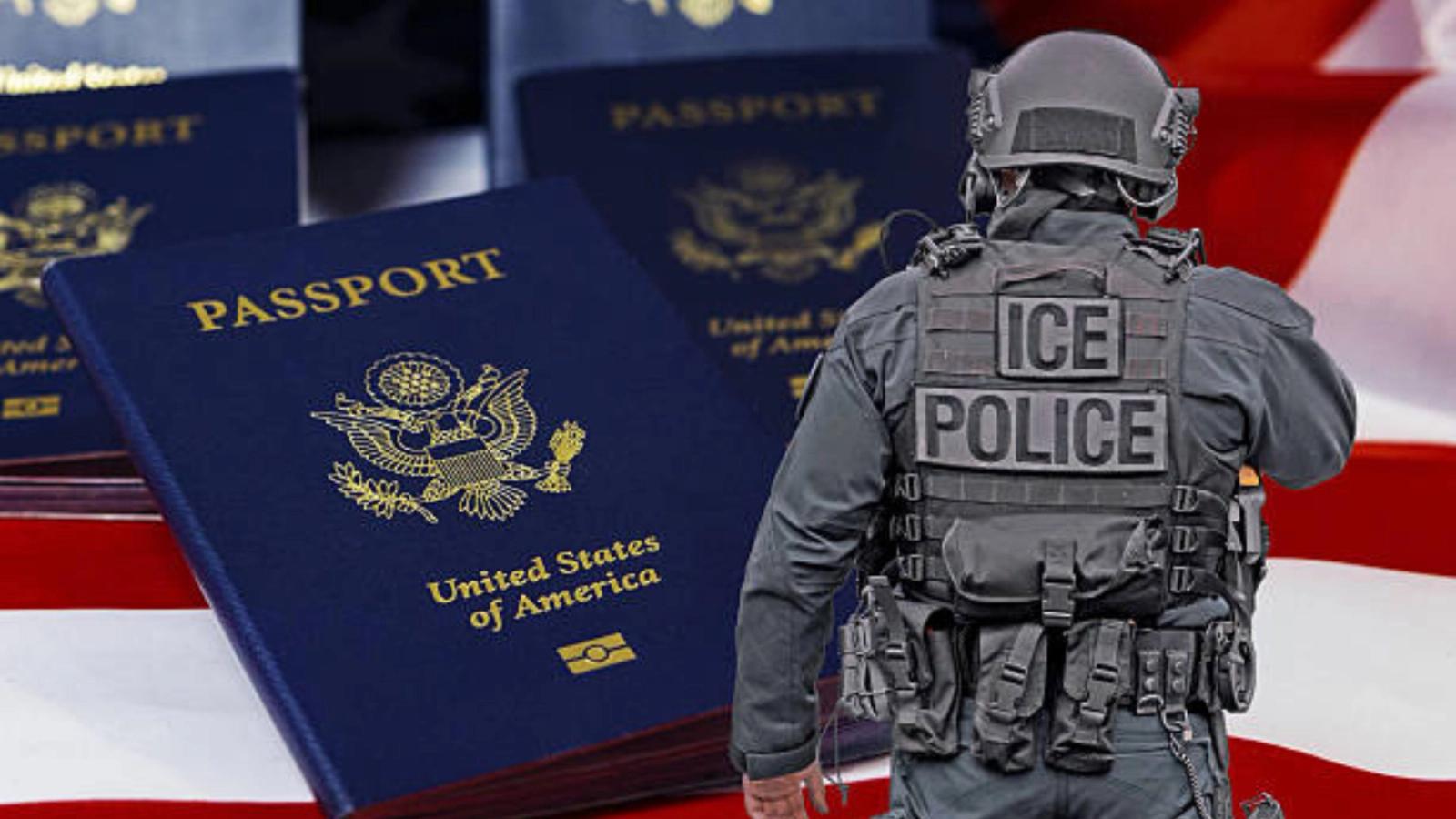
A new national survey of Protestant pastors in the United States reveals a striking mix of consensus and tension on one of the country’s most polarizing issues: immigration. While there is broad agreement on reforming the system and maintaining human dignity, deeper divisions emerge when the conversation turns to enforcement, especially deportation and detention.
The study, conducted earlier this year with hundreds of pastors across denominations, paints a picture of a religious leadership class attempting to balance moral conviction with legal realism. On one hand, most pastors clearly view immigration, particularly legal immigration, as beneficial to the nation. A majority not only supports it but also favors expanding the number of immigrants admitted each year. Very few see legal immigration as harmful, signaling a strong baseline acceptance of newcomers within the framework of law.
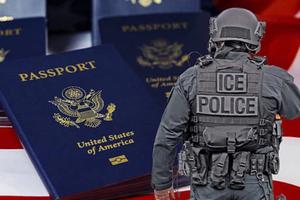
However, the unity begins to fracture when enforcement policies enter the discussion. Pastors are split on whether current deportation and detention levels are appropriate. The largest group believes enforcement has gone too far and should be reduced, while others argue the current approach is justified or even insufficient. This divide reflects a broader national conversation, but with a distinctly moral undertone shaped by religious teaching.
Where pastors do converge strongly is on prioritization. There is overwhelming support for focusing enforcement efforts on individuals convicted of violent crimes or those perceived as threats to national security. Beyond that, support drops sharply. Immigrants who have lived in the country for years, those with families, or those willing to make restitution through fines are far less likely to be seen as priorities for deportation. The message is clear: enforcement should be targeted, not sweeping.
At the legislative level, pastors demonstrate remarkable alignment. Nearly all respondents emphasize that any immigration reform must uphold the dignity of every individual, preserve family unity, and respect the rule of law. These three pillars, compassion, cohesion, and legality, form the moral backbone of their perspective. Additionally, large majorities support policies that strengthen border security while also creating a pathway to legal status or citizenship for those already in the country without documentation.
This dual approach, security paired with opportunity, suggests that many pastors reject the idea of choosing between strict enforcement and compassionate reform. Instead, they envision a system where both coexist, reflecting what they see as a more complete expression of justice.
The issue of refugees introduces another layer of complexity. Most pastors believe the United States carries a moral responsibility to accept refugees, particularly those facing religious persecution, those with family ties in the country, and individuals who have supported U.S. efforts abroad. Christians fleeing persecution are especially prioritized, followed by other vulnerable groups such as victims of war, ethnic violence, or instability.
Yet even here, distinctions appear. Support is somewhat lower for refugees persecuted for political reasons or for non-Christian religious groups, indicating that personal or theological identification may subtly shape humanitarian priorities.
Interestingly, the survey also highlights a potential disconnect between religious leadership and political action. Despite strong electoral support for conservative leadership among Protestant voters in recent elections, the policy preferences expressed by pastors, especially regarding refugees and pathways to citizenship, do not always align with stricter government measures.
Finally, the demographic reality within churches themselves may influence these views. Many pastors report having at least some first-generation immigrants in their congregations, though relatively few describe their communities as heavily immigrant-based. This suggests that while immigration is not always a dominant local issue, it remains a significant moral and national concern.
In essence, America’s Protestant pastors are not divided on whether immigration matters, they are united in believing it does. The real debate lies in how to reconcile law with compassion, security with mercy, and national identity with global responsibility. Their perspective offers a nuanced middle ground in a debate often defined by extremes.






Loading comments...